When Your Breasts Aren't the Same Size: A Kind, Practical Bra Fit Guide
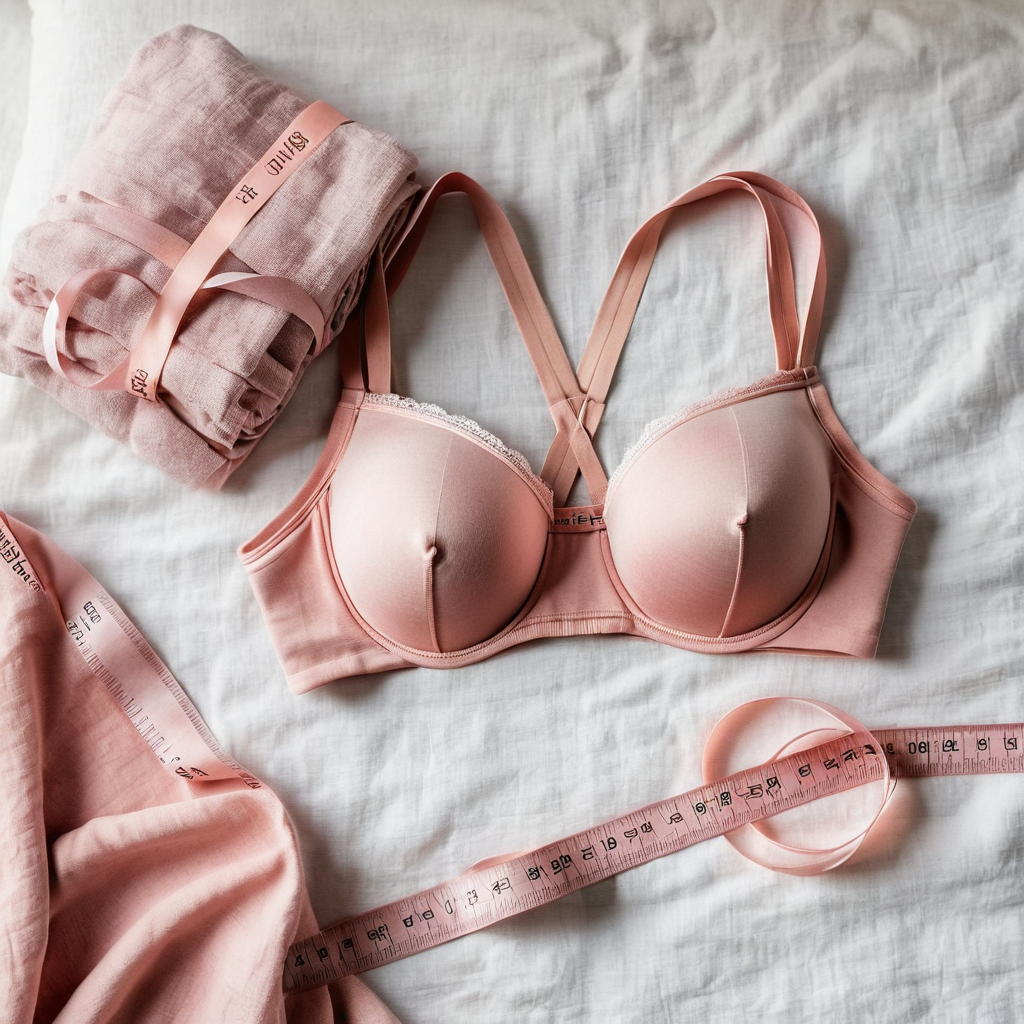
Almost nobody has perfectly matched breasts. Seriously — asymmetry is the norm, not the exception, and it's one of the most common reasons women end up uncomfortable in a bra that "fits" on paper but not in real life.
If you've ever bought a bra that gapes on one side and digs in on the other, you haven't done anything wrong. You've just been sold a bra designed for a body that doesn't exist. So let's talk about how to fit one that actually works for yours.
First: the reassuring bit
Differences in size, shape, position and nipple appearance between your left and right breast are extremely common. For most people it's a small difference — a cup size or less — and it's been there since puberty. Breasts develop at slightly different rates, and nobody's body is symmetrical.
It's also normal for asymmetry to shift over time: weight changes, pregnancy, breastfeeding, hormonal cycles and ageing all affect breast tissue differently on each side. A bra that worked two years ago might not sit the same way now, and that's not a failure on your part.
The one thing to actually watch for: a new change. If one breast has recently become noticeably different — a new lump, dimpling, a nipple turning inward, skin that looks like an orange peel, or one side suddenly much larger — get it looked at. Most of the time it's nothing, but a new asymmetry is worth a professional opinion rather than a new bra. (Our [post-mastectomy guide](/posts/post-mastectomy-bra-guide.html) covers what happens if you're navigating surgery, too.)
Which side do you fit?
Here's the rule that solves most of this: fit the bra to your larger breast. Never the smaller one.
Why? Because you can add volume, but you can't remove it. If you fit to the smaller side, the larger breast gets compressed, spills over the top or out of the side, and the wire digs into tissue. If you fit to the larger side, the smaller side has room — and room is fixable.
So:
1. Measure and fit for the larger side. That's your true band and cup starting point.
2. Expect a small gap on the other side. That's the gap you're going to fill, not a sign the bra is wrong.
3. Check the band independently. The band should be snug and level all the way around. If the band is right but one cup gaps, you're in the correct size — you just need to balance the cups.
How to balance the cups
There are a few honest, non-gimmicky ways to even out the visual difference:
- Removable pads or "cookies." Many bras come with thin removable inserts. Put one in the smaller cup only. This is the simplest fix and it's what most people actually do.
- A bra with structured, lightly moulded cups. Seamed or moulded cups hold their own shape, so a small gap is less visible than it would be in a soft unlined bra.
- Cutlets or a small silicone enhancer. A thin silicone insert adds a cup's worth of volume without looking obvious. Get one that matches the shape of the cup rather than a round disc.
- Asymmetric-friendly styles. Full-coverage cups with stretch lace at the top edge forgive a size difference far better than a rigid plunge or a balconette.
- Adjustable straps, set independently. Tighten the strap on the smaller side slightly if the cup rides up. Keep the band level — don't compensate with the band.
What doesn't work: buying two different-sized bras and wearing one of each. It sounds clever and it never feels right — the bands sit at different heights and the whole thing shifts all day. Fit one bra to the larger side and pad the other.
Styles that are kinder to asymmetry
- Full-coverage and minimiser styles — more fabric means more room to hide a small gap.
- Wire-free and bralette styles with moulded cups — no rigid wire to press into the fuller side.
- Bras with stretch panels or power-mesh wings — they flex with a size difference instead of fighting it.
- Front-closure styles — easier to adjust symmetry while you're wearing it, and easier to get level.
Styles to be careful with: rigid strapless, hard-cup plunge, and anything with a fixed moulded cup that assumes identical sides. They can work, but you'll need to try several and check the gap in a fitted top.
Fit check before you commit
Try the bra on with a thin t-shirt over it, and check in a mirror from the front, side and three-quarter angle:
- Band: snug, level, doesn't ride up when you lift your arms.
- Larger side: fully contained, no spill over the top or the side, wire sits flat against your ribcage — not on breast tissue.
- Smaller side: a small gap is fine. A visible collapse or a cup that folds inward means you need more structure or a pad.
- Straps: adjusted independently, no digging, no slipping.
- Movement test: bend forward, reach overhead, sit down. If the cups shift or the band lifts, size up in the band and down in the cup.
And please — buy from somewhere with a real returns policy. This is a fit that takes trial and error, and you shouldn't pay for the learning curve.
The short version
Fit the larger side, pad the smaller one, choose structured cups over rigid moulded ones, and adjust each strap separately. Asymmetry is normal, bras are the thing that's badly designed, and a new or sudden change in size is the only reason to see a doctor rather than a fitter.
You're not hard to fit. You just need a bra that was built for a real body. 💗
This is general information, not medical advice — if something about your breasts worries you, get it checked. That's always the brave move.
🛍️ Shop our favorites
Fit-first, cruelty-free picks for every body. Buying through these links supports She's Got Boobies at no extra cost to you.