Bra Fit When Your Body Changes: A Kind, Practical Guide
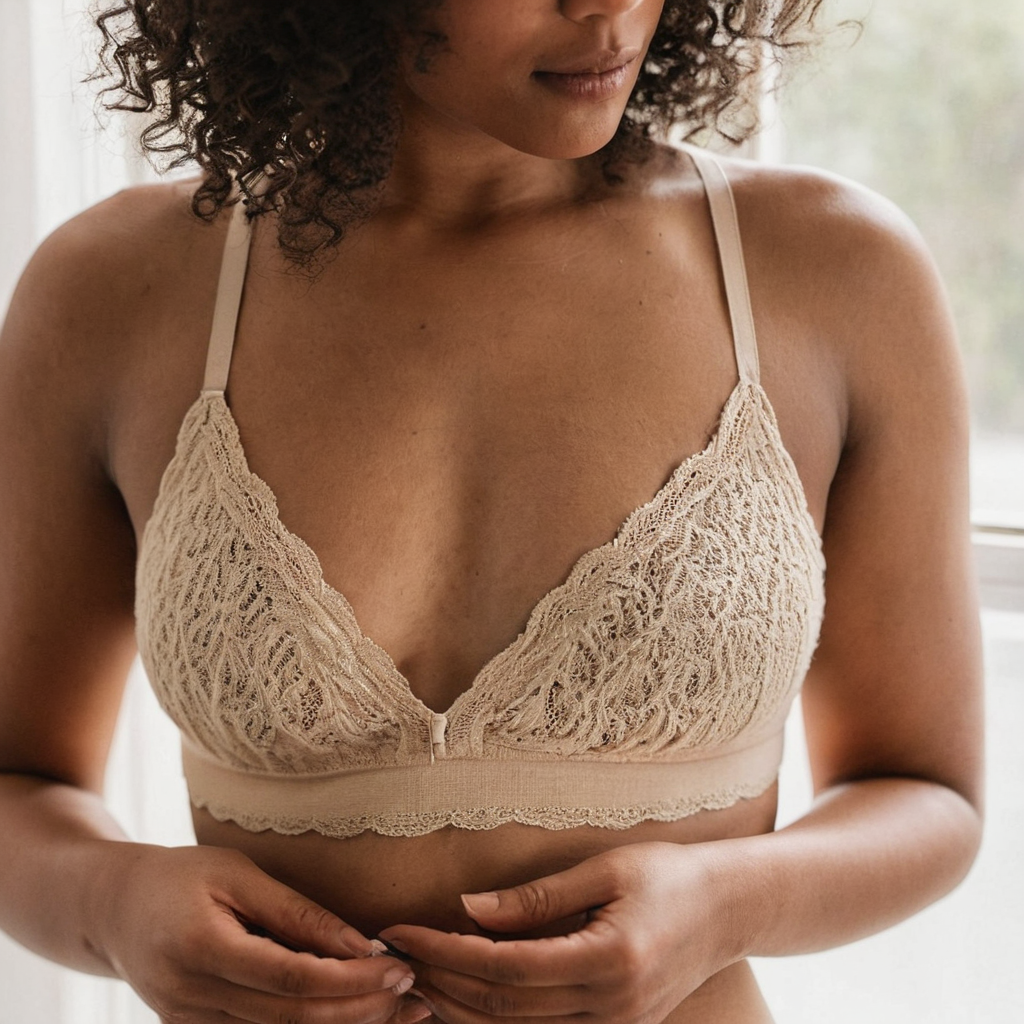
Almost nobody stays the same size for a decade. Weight goes up and down, hormones shift through the month and across the years, pregnancy and breastfeeding change your chest, surgery changes it, and ageing changes it. Yet most of us keep wearing the same bras and quietly blame ourselves when they stop fitting.
Let's put that down right here: a bra that no longer fits is not a body that has failed. It's a body doing what bodies do. The bra is the thing that needs updating.
Why fit changes, honestly:
- Weight change, in either direction. Band size moves with your ribcage and cup size moves with breast tissue, and they rarely move in a tidy, predictable ratio. Losing weight can actually make a band looser while the cups gape in a way that surprises people.
- Hormonal cycles. Many people notice genuine swelling and tenderness in the week or so before their period, which can be a full cup size of difference. That's normal and worth planning for rather than fighting.
- Pregnancy and breastfeeding. Ribcage expansion, cup changes, and milk supply shifts mean the bra you bought in month four may be useless by month eight. Buy for the stage you're in, not the stage you hope to return to.
- Surgery, including mastectomy, reduction, augmentation and reconstruction. Fit needs change, symmetry may change, and the right bra is often a different construction entirely — front closure, soft cups, pocketed cups, no underwire.
- Age and skin changes. Band and strap elasticity needs change, and comfort becomes less negotiable, not more.
How to refit yourself without the drama:
- Measure the band first, on bare skin, snug but not tight. A tape pulled tight lies to you. You want it to sit like a fitted top, not a tourniquet.
- Then check the band in practice, not just on paper. Fasten a bra on the loosest hook. If it rides up at the back when you lift your arms, it's too big. If it leaves deep marks or you can't take a full breath, it's too small.
- Check the cups for what they're doing, not just the size on the label. Gaping at the top means the cup shape is wrong for you more often than it means the cup is too big. Spilling over the top or at the sides means you need more cup.
- Sister sizing is your friend during transition. Going down a band and up a cup (or the reverse) keeps the cup volume roughly the same. Useful when your band changes but your cup volume doesn't — and useful when you're between sizes.
- Buy one, wear it, then buy more. Sizes vary wildly between brands, and a "34D" from one label is not a "34D" from another. Test one before you commit to three.
- Plan for the cycle. If you swell noticeably before your period, a second bra a cup size up — or an extender — is a practical fix, not an indulgence.
What to do with the bras that no longer fit:
- Keep the ones that fit this week. Not the ones you're saving for a body you used to have.
- Use a band extender before you give up on a bra. A two-dollar extender buys you a size of breathing room during a transition.
- Let the rest go. Donate what's in good condition — shelters, bra banks and refitting charities genuinely need them. Worn-out elastic goes to textile recycling.
- Don't stockpile "goal" bras. They take up drawer space and quiet psychological rent. Buy for the body you're in.
A quick, kind note: this is general info, not medical advice. Bodies change, and that's ordinary. If you notice a lump, breast pain, nipple changes, or anything that worries you, book an appointment with a doctor. Early check-ups are ordinary and brave. 🩷
Your size changing isn't a setback — it's information. Refit, buy one bra that actually fits the body you have today, and wear it without apologising for anything. 🩷
🛍️ Shop our favorites
Fit-first, cruelty-free picks for every body. Buying through these links supports She's Got Boobies at no extra cost to you.