The Plunge Bra Guide: Deep Necklines Without the Squish
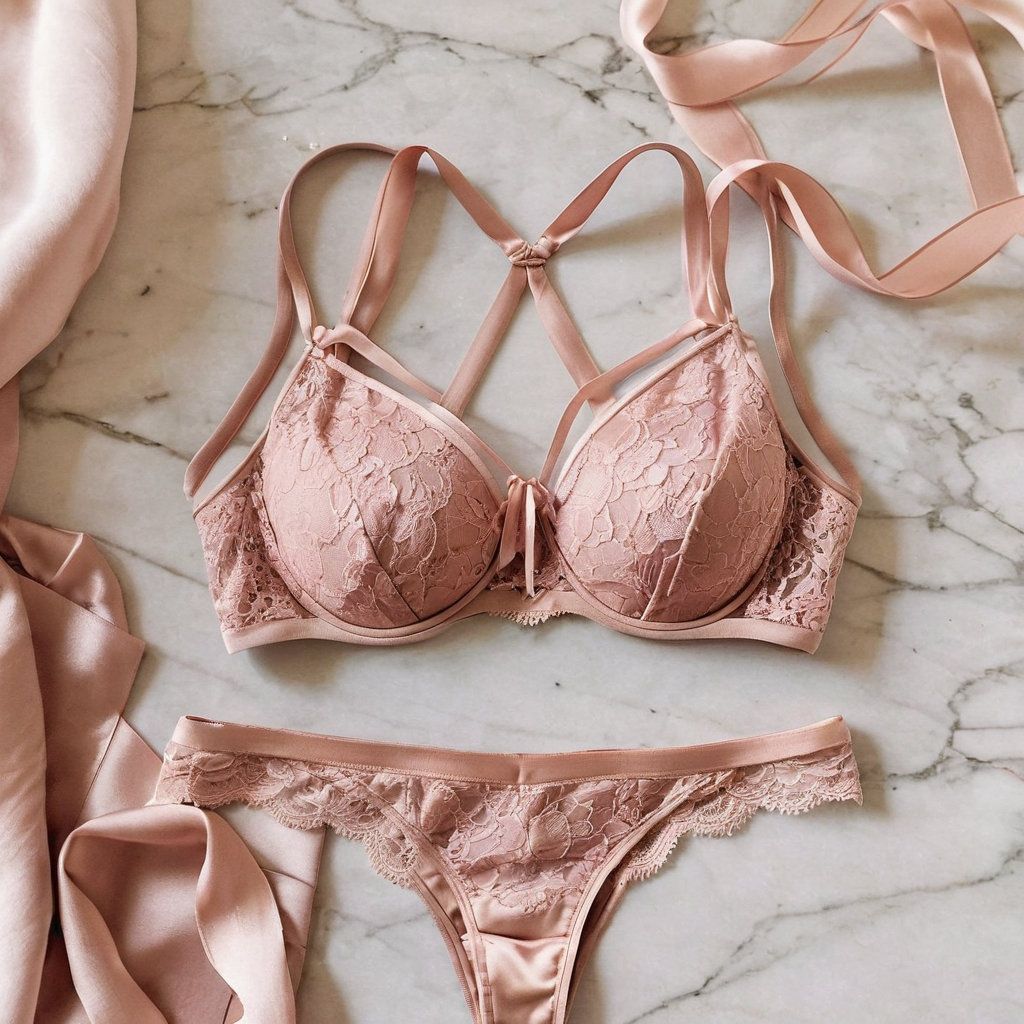
Some necklines are just designed for a plunge bra. That wrap top, that V-neck dress, that blouse with the buttons you haven't quite got the nerve to leave open. But let's be honest: a low-cut top with the wrong bra underneath is a whole disaster waiting to happen.
A plunge bra is the one that actually claps back. Here's how it works, who it's for, and how to find one that supports you instead of fighting you.
What a plunge bra actually does
Unlike a balconette (which keeps a straight, wide line) or a full-coverage bra, a plunge bra's cups angle down and in at the center. The gore — the middle bit between the cups — sits much lower than on a regular bra.
That low gore is what makes the "plunge" possible: it lets the bra disappear under a deep V while still holding you up. The trade-off is that the cups do less lateral (sideways) work than a balconette, so support comes from the band and the side panels doing their job.
Who it works for
- You love a V-neck or wrap silhouette. If your wardrobe is full of plunging lines, you'll use this every day.
- You want a clear, defined shape. Plunge bras push up and in, which gives a rounder, more forward look — great under form-fitting tops.
- You want a bra that stays hidden. The low gore means no center-band peek in a deep V.
It's not the bra for wide-set support. If you need strong side support, a balconette or an underwire with good side panels is a better everyday pick. Plunge is for the neckline, not the daily grind.
Getting the fit right
Fitting a plunge bra has a few quirks:
1. The gore should sit flat. It sits lower here by design, but if you can slide your whole hand between your chest and the gore, it's too loose.
2. Watch the center cups. The deep plunge means the cups converge — if your breast tissue spills toward the middle, you need a wider cup, not a bigger band.
3. The band has to be firm. Because the cups don't offer much side support, the band carries more of the load. If it rides up at the back, go down a band size and up a cup.
4. Check the wire. Plunge wires sit lower, so they can dig if the shape doesn't match yours. If it's uncomfortable, try a different cut before you blame your fit.
The sizing reality
Plunge bras are less forgiving on fit than many other cuts, so don't assume your usual size carries over. Sizes genuinely differ between brands — a 34DD in one may be a 34E in another. That's not your body being weird. It's sizing being inconsistent. Measure yourself, try more than one size, and trust how it feels over what the tag says.
If you're between sizes, start with the band that fits snugly and adjust the cup from there.
Plunge, but make it comfortable
The good news: plunge bras exist in comfortable, wireless, everyday and even seamless versions now. You don't have to choose between "deep neckline" and "I can breathe."
Look for a plunge with:
- A soft or flexible underwire, or go wireless if you're sensitive.
- Wider, smoothing side panels for support.
- Breathable fabrics if you're prone to getting warm.
Your body isn't the problem — the wrong bra is. There's a plunge out there that holds you up and disappears under the neckline you want to wear. Take the time to fit it properly and wear what makes you feel like you.
Note: We're a blog, not your doctor. If your breasts or chest ever feel off — a lump, pain, changes — book an appointment with a healthcare professional. Check-ups are ordinary and brave.
🛍️ Shop our favorites
Fit-first, cruelty-free picks for every body. Buying through these links supports She's Got Boobies at no extra cost to you.